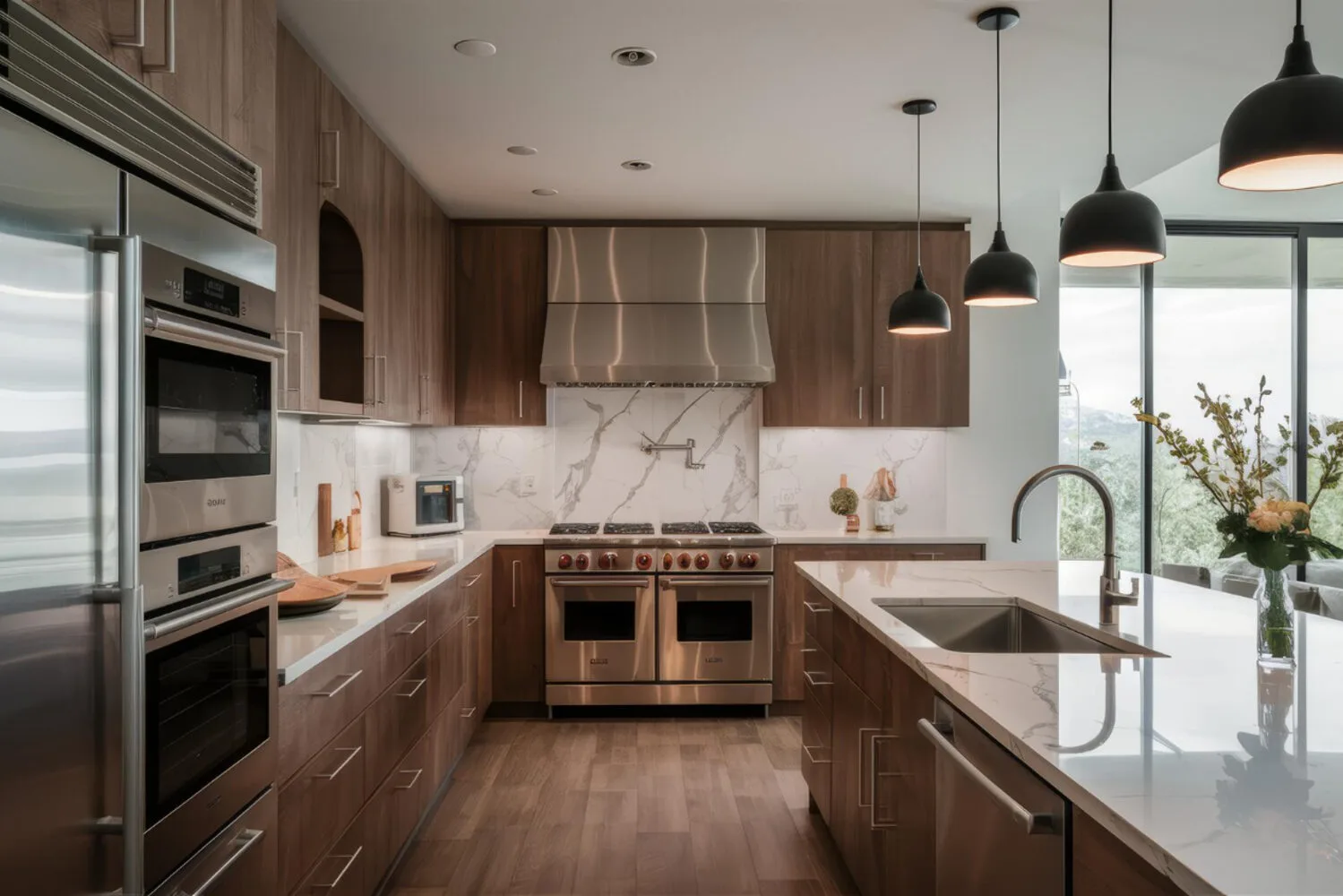
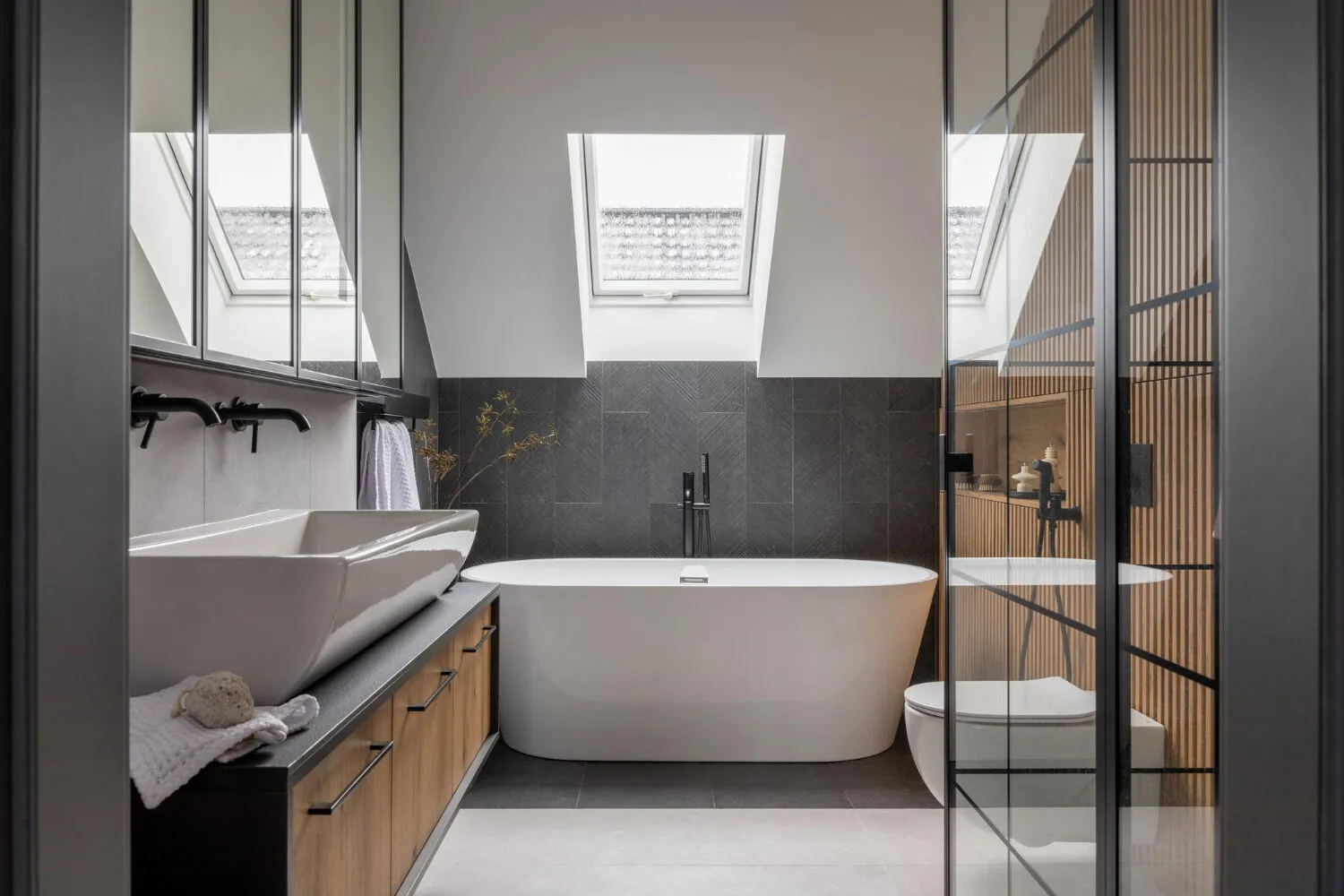
Choosing the right countertop material is one of the most important decisions when renovating a kitchen or bathroom. Among the top choices are quartz countertops and quartzite countertops, each offering distinct advantages in terms of appearance, durability, and ease of maintenance. To help you make an informed decision, we will explore the differences between these two materials and the benefits they provide.
What is Quartz? The Engineered Marvel
Quartz countertops are made by combining approximately 90-95% crushed quartz with resins and pigments. This manufacturing process creates a durable, non-porous surface that resists stains and scratches. Quartz countertops are highly customizable, offering a wide range of colors and patterns to suit any design preference. Since the material is engineered, it offers consistency in both pattern and texture.
Benefits of Quartz Countertops
- Non-porous surface: Resistant to stains, bacteria, and moisture.
- Low maintenance: No need for sealing, easy to clean with soap and water.
- Scratch-resistant: Holds up well under everyday wear and tear.
- Wide variety of colors and patterns: Customizable to fit modern and traditional styles.
- Consistent appearance: Uniform patterns across larger surfaces, perfect for sleek designs.
- Resistant to fading: Retains color and pattern over time, even in high-traffic areas.
- Flexible in design: Easily shaped during manufacturing, allowing for custom edges and finishes.

What is Quartzite? Nature’s Unique Stone
Quartzite is a natural metamorphic rock that forms from sandstone under intense heat and pressure. Unlike engineered quartz, quartzite is quarried directly from the earth and cut into slabs, making it a naturally occurring stone with unique veining patterns. Its formation process makes quartzite one of the hardest and most durable countertop options available.
Benefits of Quartzite Countertops
- Natural beauty: Unique, one-of-a-kind veining and color variations in each slab.
- Extremely durable: Harder than most natural stones, including granite, providing excellent resistance to wear.
- Heat-resistant: Ideal for kitchens where hot pans are frequently used.
- Timeless appeal: Adds a classic, high-end natural stone look to any room.
- Sustainable: Naturally occurring, with fewer synthetic materials.
- Scratch-resistant: High resistance to scratches, making it a long-lasting option.
- Ages well: Maintains its beauty over time with proper care.
Appearance: How Do They Differ Visually?
One of the most significant differences between quartz and quartzite countertops is their appearance. Quartz countertops are engineered, which allows for a wide range of color options, from neutral tones to bold, vibrant hues. This makes quartz a versatile choice for homeowners looking to match specific color schemes. The consistency in quartz also means that large surfaces can be created without noticeable seams or variations in pattern.
Quartzite, on the other hand, is known for its natural beauty. Each slab is unique, with intricate veining and subtle color shifts. The natural variations in quartzite provide a sense of character that is difficult to replicate with man-made materials. For homeowners who prefer a more organic, one-of-a-kind aesthetic, quartzite is often the material of choice.
Durability: Which Material Lasts Longer?
Both quartz and quartzite are highly durable materials, but their durability comes from different properties. Quartz countertops are engineered to be incredibly tough, thanks to the combination of natural quartz and resins. This creates a non-porous surface that is highly resistant to stains, scratches, and chips. Because quartz is engineered, it also does not require sealing, making it a low-maintenance option.
Quartzite is even harder than quartz, making it one of the most durable natural stone materials available. It is highly resistant to heat and scratching but requires regular sealing to prevent moisture absorption and staining. Despite its need for occasional maintenance, quartzite is a long-lasting material that can withstand years of use in high-traffic areas.
Maintenance: How Easy Are They to Care For?
Quartz countertops are known for being low-maintenance. Their non-porous surface does not require sealing, and they are easy to clean with soap and water. Because they resist stains and bacteria, quartz countertops are perfect for homeowners looking for a worry-free material that can handle daily use without the need for special cleaners.
Quartzite countertops require a bit more upkeep. Since quartzite is a porous natural stone, it must be sealed regularly—typically once a year—to protect it from stains and moisture. Without proper sealing, quartzite can absorb spills, leading to potential staining. However, once sealed, quartzite is relatively easy to clean and maintain with standard cleaning products.
Maintenance Comparison:
- Quartz: No sealing required, simple cleaning with mild soap and water.
- Quartzite: Requires sealing to maintain its resistance to stains and moisture.
Installation: What to Expect During Installation
Both quartz and quartzite countertops require professional installation due to their weight and durability. Quartz countertops, being an engineered material, are typically easier to install because they are consistent in size and shape. This allows for a quicker and more straightforward installation process.
Quartzite, being a natural stone, is heavier and more difficult to work with during installation. The unique veining and natural imperfections in quartzite slabs may also require more precision and care during cutting and fitting. Professional installation is critical for both materials, but quartzite can be more labor-intensive due to its natural variations and weight.
Sustainability: Environmental Considerations
For those concerned with the environmental impact of their materials, both quartz and quartzite have their pros and cons. Quartz countertops are made from abundant natural quartz combined with synthetic resins, which may have some environmental impact during production. However, some quartz manufacturers are incorporating recycled materials to reduce their environmental footprint.
Quartzite, as a natural stone, requires no synthetic additives, making it an eco-friendly choice. However, the energy required to quarry, cut, and transport quartzite slabs can offset its environmental benefits. Both materials are highly durable and long-lasting, which means they won’t need to be replaced often, contributing to their sustainability.

Heat Resistance: How Do Quartz and Quartzite Perform Under High Temperatures?
When it comes to heat resistance, quartz and quartzite perform differently due to their composition. Quartzite is a naturally occurring stone that has undergone extreme heat and pressure during its formation, making it highly resistant to heat. This means quartzite countertops can withstand the placement of hot pans and dishes without fear of scorching or heat damage, making it a great choice for kitchens that frequently deal with high temperatures.
Quartz countertops, while durable, are not as heat-resistant as quartzite. Because quartz is engineered with resins, it can be sensitive to extreme heat. Direct exposure to hot pots or pans can damage the surface, causing discoloration or even cracking. To avoid heat damage, it is recommended to always use trivets or heat pads when placing hot items on quartz countertops. While quartz can handle moderate heat, it’s essential to be cautious to maintain its appearance and longevity.
Versatility in Design: How Each Material Adapts to Different Styles and Spaces
Quartz countertops offer exceptional versatility in design due to their engineered nature. The manufacturing process allows for a wide range of colors, patterns, and finishes, making quartz an excellent option for both modern and traditional styles. Whether you want a sleek, uniform appearance or a surface that mimics natural stone, quartz can be customized to match virtually any aesthetic. The ability to control the design during production makes quartz highly adaptable to specific preferences, from subtle neutrals to bold, vibrant hues.
Quartzite, on the other hand, is prized for its natural beauty, with each slab featuring unique veining and patterns that cannot be replicated. While quartzite is available in a range of earthy tones and soft colors, its natural variations make it best suited for homeowners looking for a more organic, one-of-a-kind appearance. Though quartzite cannot be customized in the same way as quartz, its natural beauty adds character and elegance to spaces. This material works well in both rustic and contemporary designs, offering a timeless, luxurious appeal.
Both materials are versatile, but quartz gives more control over design elements, while quartzite offers the uniqueness of natural stone, making it perfect for those who appreciate the raw, unaltered look of nature.
Is quartz more durable than quartzite?
Both materials are highly durable, but quartzite is harder and more heat-resistant. Quartz, however, is non-porous and requires less maintenance.
Can quartzite be customized like quartz?
Quartzite offers limited customization due to its natural formation, whereas quartz can be engineered in various colors and patterns to suit specific design preferences.
How often should quartzite countertops be sealed?
Quartzite countertops should be sealed at least once a year to maintain their resistance to stains and moisture.